Entrance walkway
A clear, safe route from the gate to the door. It sets the first impression of the home.
 TERRACE GARDEN INDIAEST. 1995
Pathways, stone and stepping stones
Give the garden a natural sense of flow with routes and surfaces chosen for the landscape, the way you move through it and the look you want to create.
Plan my pathways →It sets the pace of a walk, leads the eye to a seat or a water feature, and welcomes people at the door. The stone you choose, the width, the curve and the edging all change how a space feels.
We design paths, stone surfaces and stepping stones as part of the whole garden, so they look right, drain well and feel safe underfoot.
Where paths go
The same stone behaves differently at a front door and in a lawn. We design for each setting.
A clear, safe route from the gate to the door. It sets the first impression of the home.
Gently curved routes that move you past planting, seating and focal points.
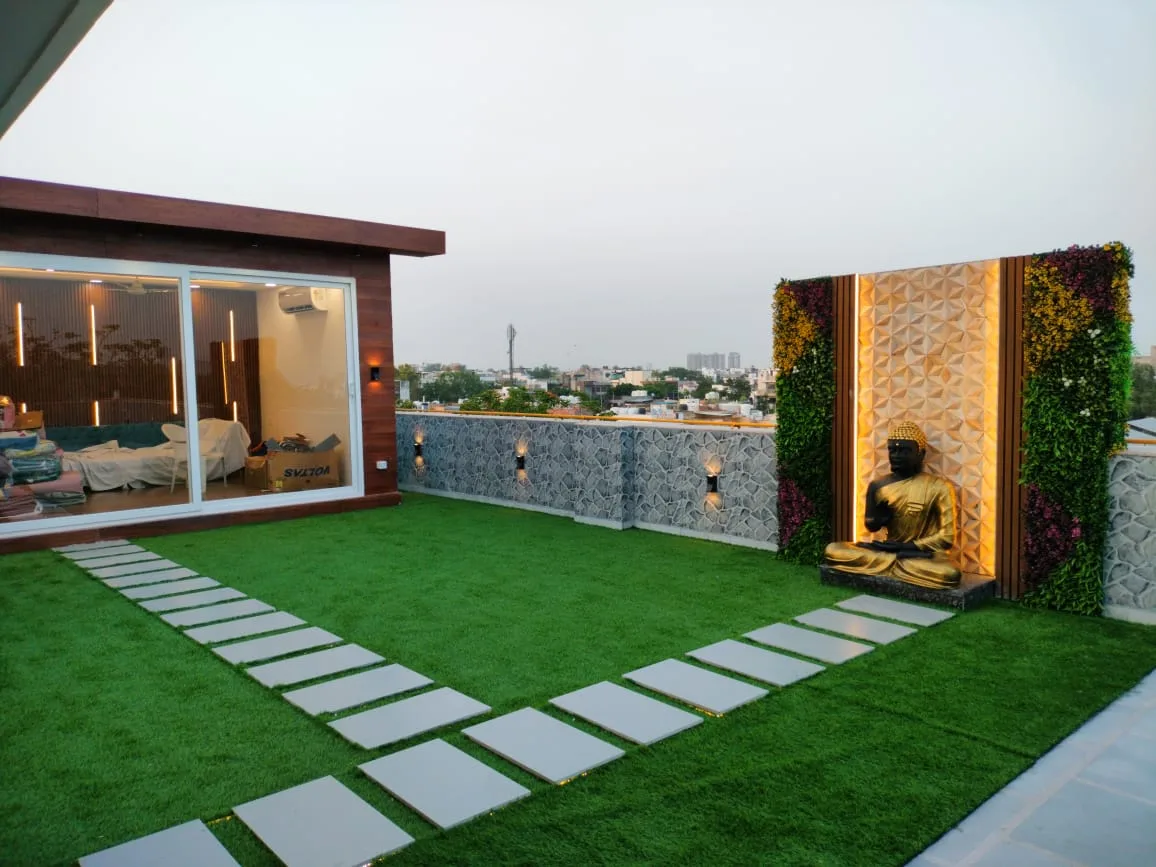
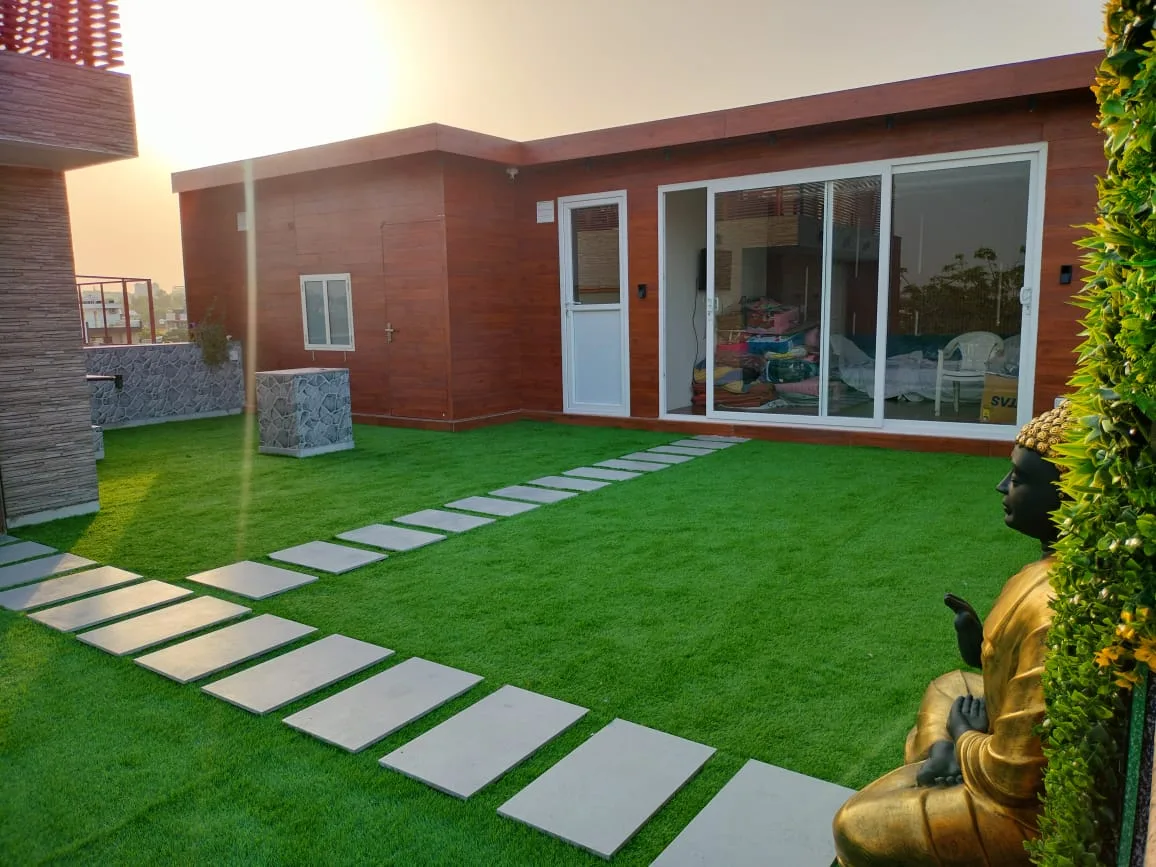
Single stones that protect the grass and give a light, playful route across it.
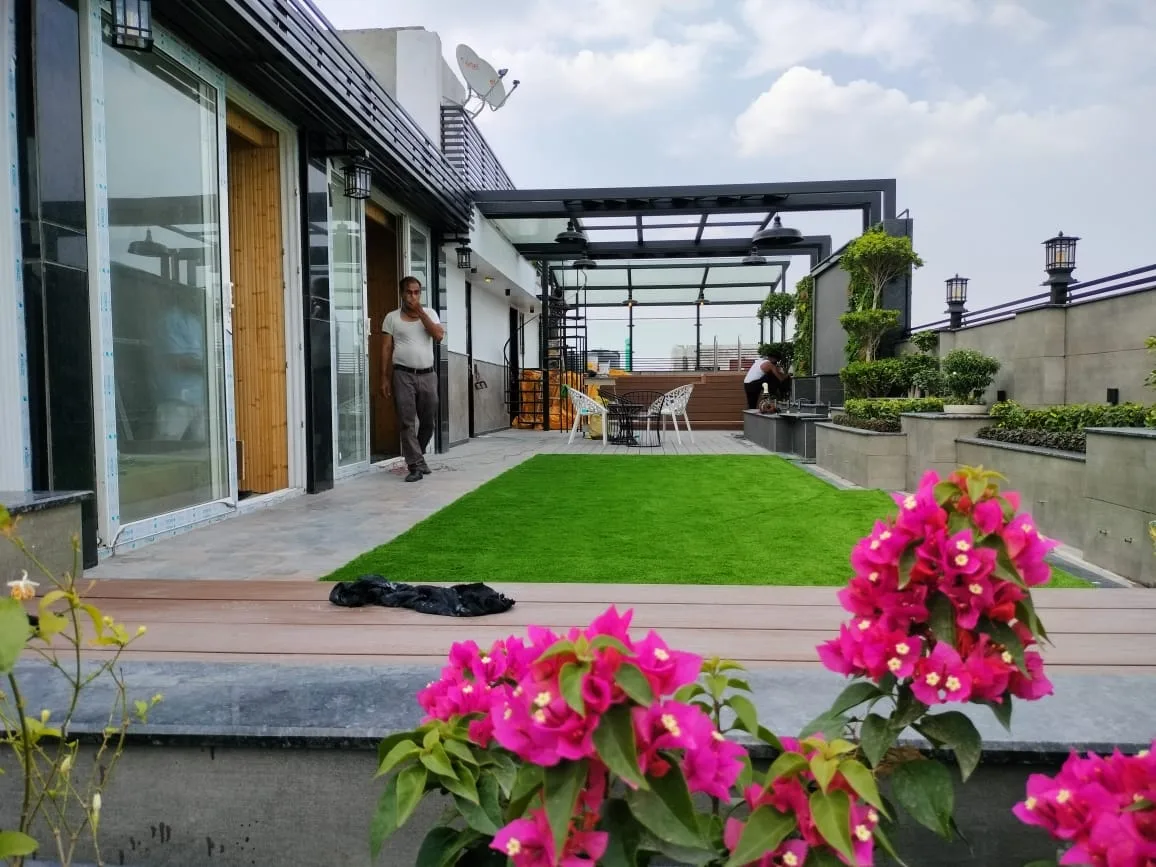
Lighter stone and careful drainage that respect roof waterproofing and weight limits.
Stone floors that tie sitting spots into the path network.
Textured, grippy surfaces near water features and level changes.
Design principles
Main routes should let two people walk side by side. Garden paths can be narrower, which slows the walk.
Stepping stones usually sit about a stride apart, roughly 60 cm from centre to centre. We space them to suit how you walk.
Choose textured finishes where a surface gets wet or shaded. We avoid polished stone outdoors.
A slight fall keeps water from pooling. Gaps and bedding allow rain to drain away.
Good edging keeps stone, gravel and soil in place. Joints are filled so weeds and shifting are limited.
Low path lights show edges and steps and make the garden usable after dark.
How it is built
A path lasts when the ground beneath it is prepared well. On terraces and roofs we also keep within the load limit and protect waterproofing.
We set out the path on site so you can see the line before any digging.
The soil is levelled and compacted, with the right fall for drainage.
A firm base gives the stone a stable bed and helps water drain.
Each piece is set level, with even gaps and a clean line.
Joints are filled and edges are fixed so the path holds its shape.
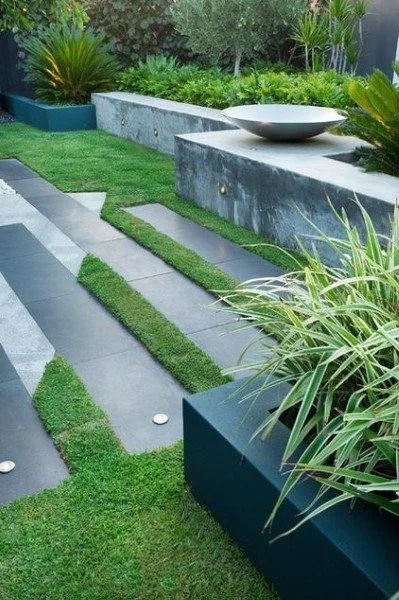
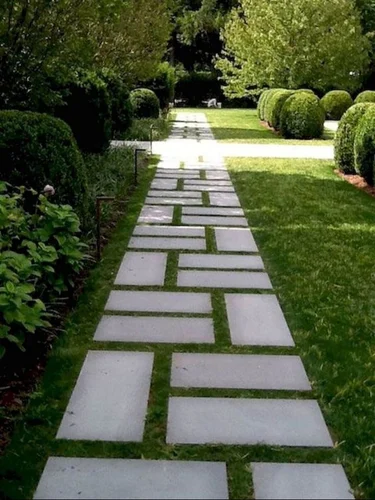
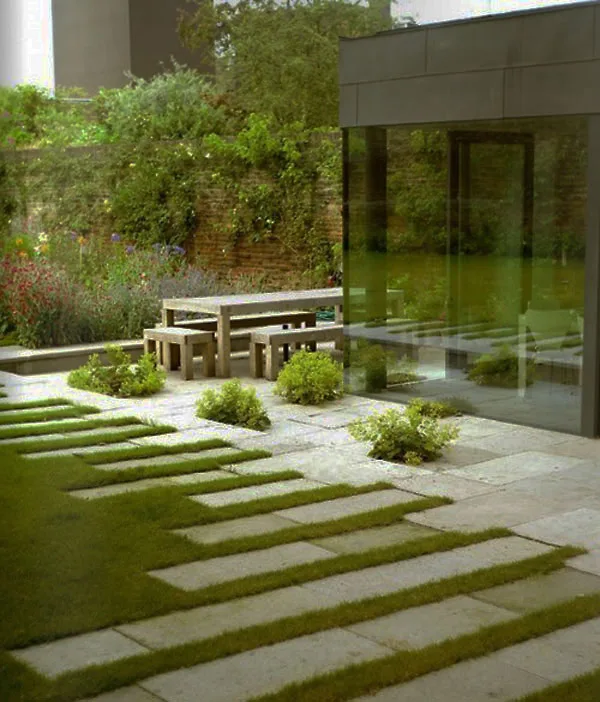
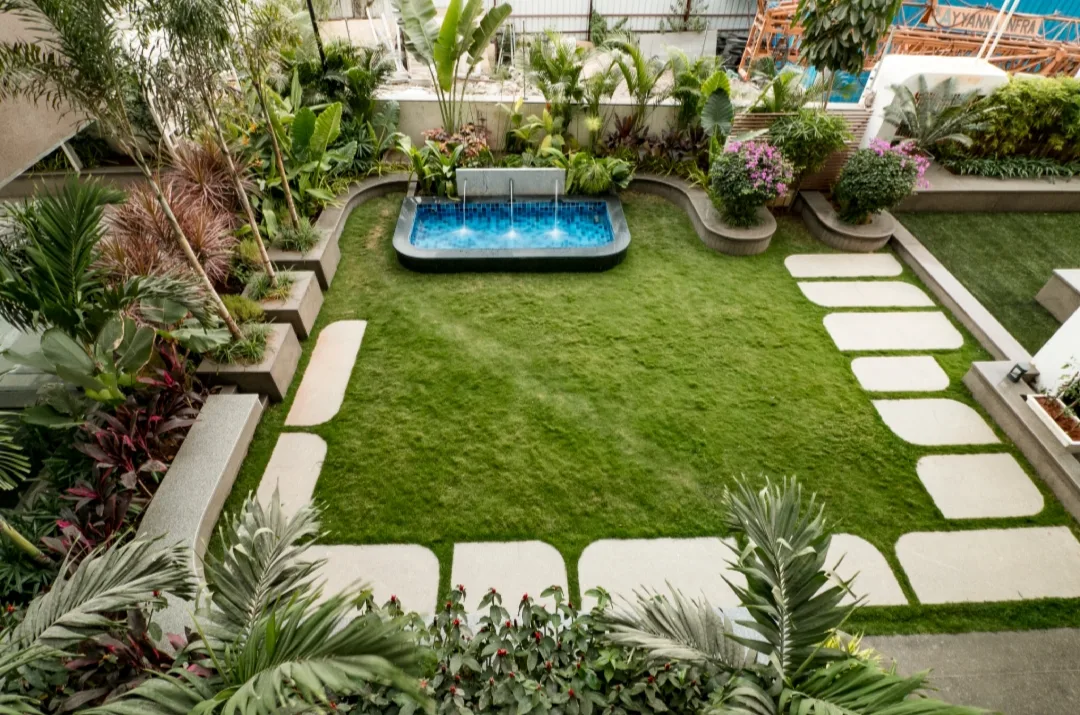
A selection of TGI projects
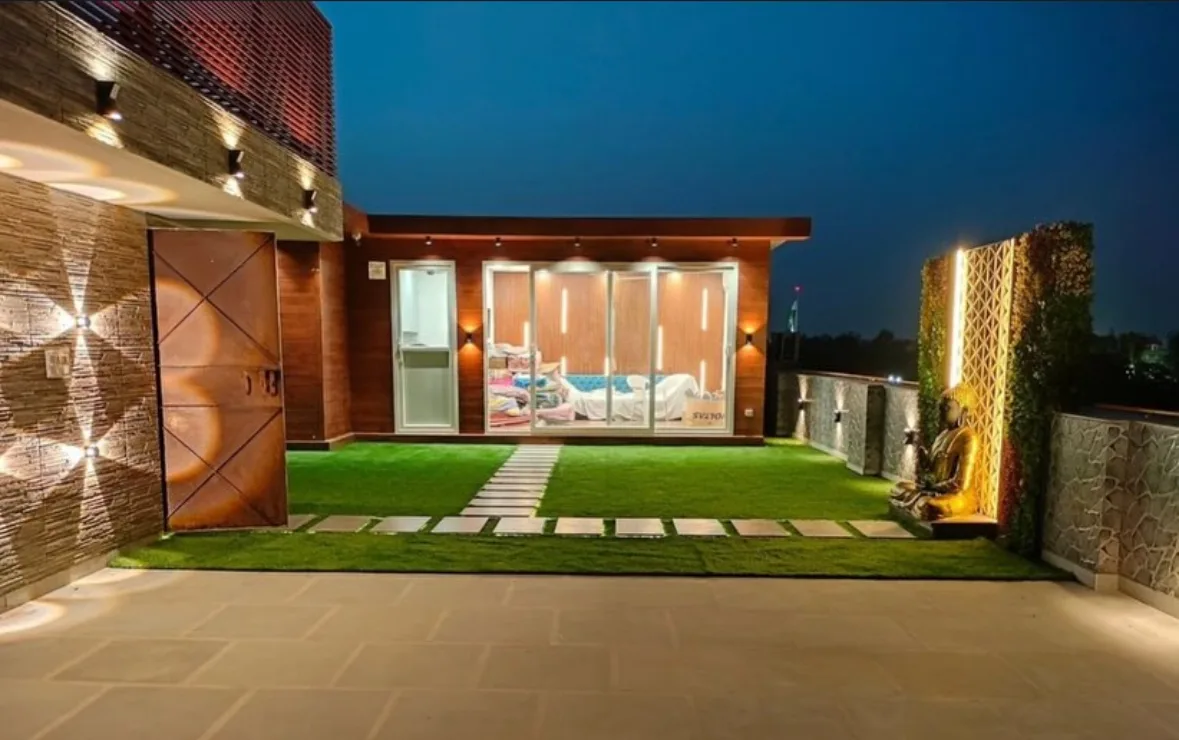
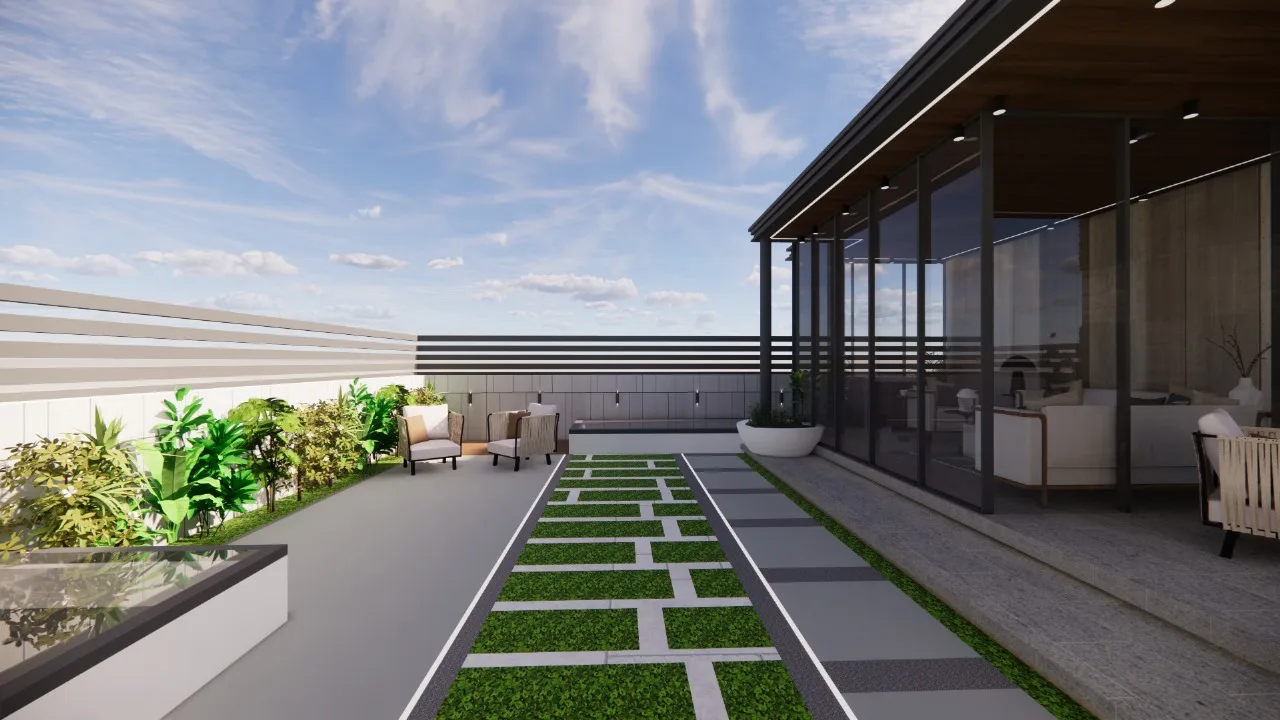
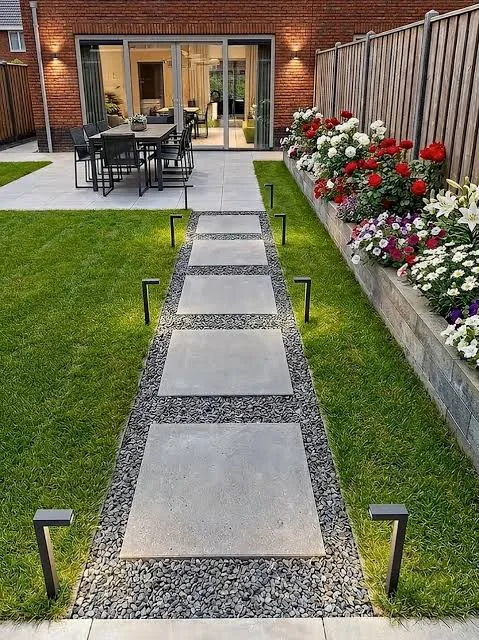
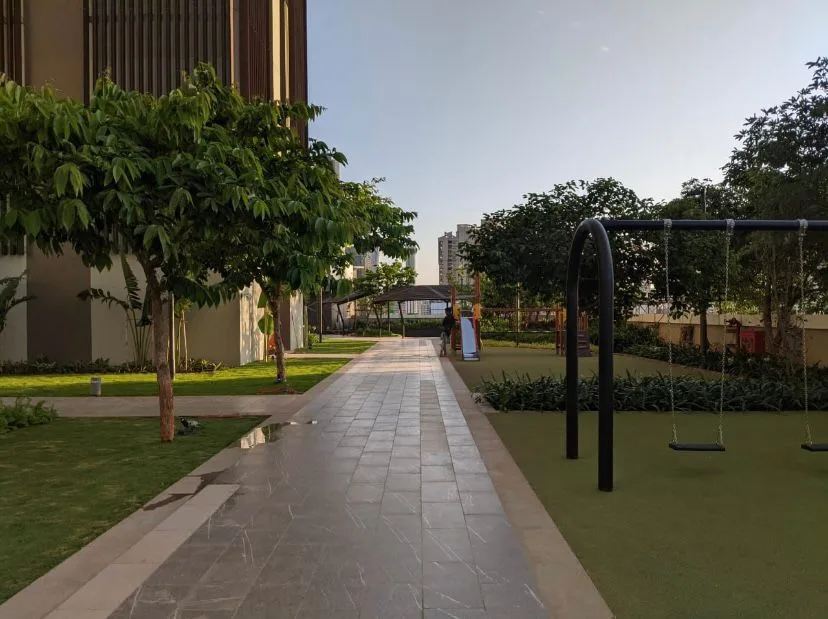
.webp)
Upkeep
Regular sweeping removes leaves and grit. Rinse stone with water and mild cleaner when needed.
Shaded, damp paths grow moss and algae, which are slippery. Clean them before they spread.
Pull weeds from joints and top up joint filler or gravel when it thins.
Reset any loose or sunken stones. Some stones benefit from sealing every few years.
Budget and timing
It depends on the look you want, how much the path is used and how wet or shaded it is. We compare a few options on your site and recommend one.
We choose textured, non-polished finishes for outdoor use, especially near water, steps and shaded areas.
Yes. Stones are set level with the grass so you can still mow over them.
Yes. We plan the stone, weight and drainage around the roof's waterproofing and load limits.
Yes. We work around plants and features you want to keep and mark the route with you first.
Not always, but low lights help at entrances, steps and turns. We can plan lighting together with the path.
It depends on length, materials and ground conditions. We share a timeline with the quote.
Start with a conversation
Tell us where the site is, how the space is used and what stone or style you like. We will suggest a practical next step.
Plan your pathways →See how our process works ↗